






Homeownership is a key opportunity for families to build wealth, and HOPE’s mortgage lending is a vital part of our work to strengthen the financial health of people in under-resourced Deep South communities. Government Sponsored Enterprises (GSEs) such as Fannie Mae and Freddie Mac can play a crucial role in closing homeownership gaps, given their work in housing finance for underserved markets. The Federal Housing Finance Agency (FHFA), which regulates the GSEs, has requested comments on a proposed rule that changes their requirements for purchasing loans and making investments in underserve markets, as required by statute in Duty to Serve areas.
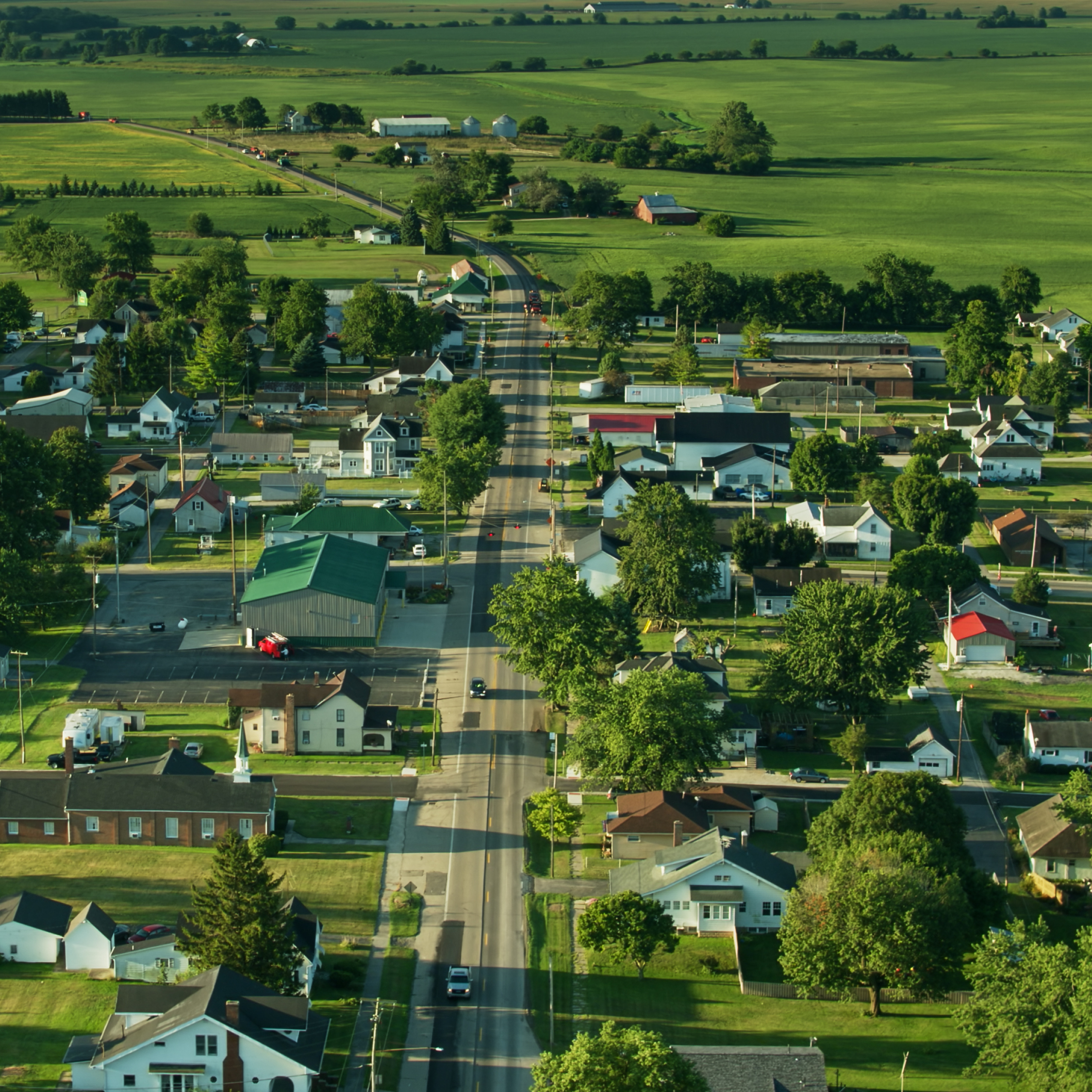
HOPE has submitted a comment on the proposed rule. Rooted in HOPE’s long-standing support for housing investments in underserved, rural communities and more than 30 years of experience in serving the Deep South, HOPE’s comment outlines concerns about how the proposed rule will widen existing capital access gaps in the region, particularly those in the most underserved and economically distressed rural communities. HOPE’s greatest concern with the proposed rule is that it would eliminate the of requirements for the GSEs to establish specific goals for serving High Needs Rural Regions, like the Lower Mississippi Delta area and other Deep South persistent poverty counties and instead require activities only in rural areas generally. From HOPE’s experience these changes will allow investments to bypass the hardest-to-reach rural communities in favor of those that are easier to serve and generally benefit from existing capital investment.
HOPE’s comment focuses on the following key concerns:
- The proposed rule risks the dilution of meaningful Enterprise investments into High Needs Rural Regions.
- The underlying conditions supporting the need for targeted investments into High Needs Rural Regions still persist.
- The proposed rule puts at risk the Enterprises’ ongoing commitment to work with Community Development Financial Institutions to deploy capital to underserved markets.
- The proposed rule’s changes for affordability thresholds for mortgage lending outside of High Needs Rural Regions will likely lead to fewer loans to lower-income households.
Without safeguards to maintain minimum activities in truly underserved areas, the proposal could shift resources away from those with the greatest needs. To advance the shared goal of expanding credit access for very low, low, and moderate income families, the Duty to Serve program should not eliminate existing incentives for the Enterprises to purchase loans and fund housing developments in High Needs Rural Regions that can expand opportunity for affordable housing and homeownership in the Deep South.
HOPE’s full comment on the proposed rule can be viewed here.