




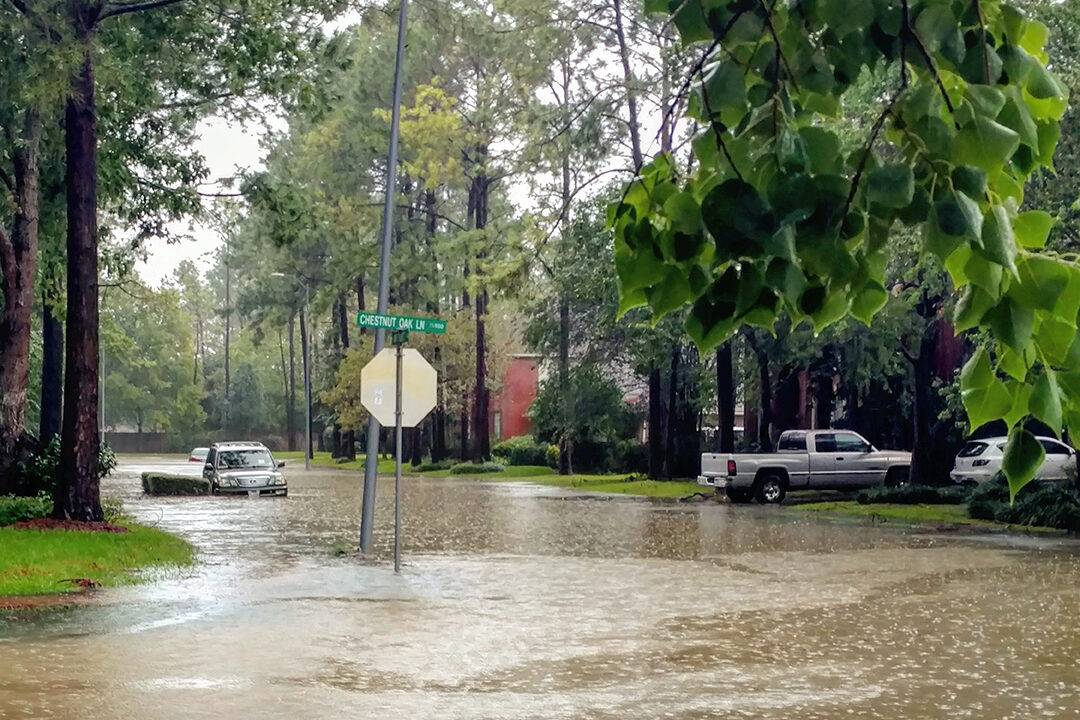


Our thoughts are with those who have been impacted by Hurricane Ida – many of whom are our colleagues, members and their families.
Given HOPE’s roots in the Deep South and throughout the Gulf region, we already know that Hurricane Ida adds yet another layer of instability in a region that has historically and disproportionately experienced devastation stemming from long-term disinvestment, systemic racism and economic injustice.
Ida arrived on shores of communities striving towards financial stability, particularly in overcoming the economic impacts of the pandemic. In the resilient spirit of the Deep South, people in communities hardest hit by these compounding crises are already hard at work to keep people safe and rebuild their communities.
Policymakers must listen to, support and craft solutions following the leadership of response efforts already underway.
Lessons from Hurricane Katrina remind us that any policies put forward must approach the work from three angles: relief, recovery and rebuilding.
We urge key stakeholders, including state and local governments, as well as Congress, to:
- Deploy relief quickly and equitably throughout the region by putting funds into the hands of local community organizations that understand the people and know where the greatest needs are. Utilize direct, advance payments rather than reimbursement model of funding.
- Take immediate action to enact a moratorium on evictions and move with greater urgency to deploy the rental assistance funds directly into the hands of tenants at risk of being forced from their homes.
- Prioritize community input in any rebuilding efforts to avoid reinforcing existing inequities in our systems and processes. Furthermore, relief funds should be based on the extent of the damage incurred and not on pre-existing conditions which are embedded with historic racial disparities.
- Invest now in infrastructure to support communities of color in the Deep South, not only in response to Hurricane Ida but also in response to previous disasters from Hurricane Katrina to the most recent water crisis caused by the 2021 winter storm. As Congress debates investments in infrastructure, there must be sufficient investment to prevent and withstand future disasters.
Over the next several days and weeks, it is imperative that Congress, Governors and Mayors enact policies that are responsive to the needs of communities that have been hardest hit by the culminating effects of Hurricane Ida, the COVID-19 pandemic, and years of disinvestment in a region of our country that has been ignored for far too long.